
Skip to content
Leo capturing a highlight on a MacBook

Build your
material

Capture passages, observations, and seeds with a single keystroke. Build a personal library of notes and sources you can draw on with perfect recall — so the page is never blank, and what fills it is yours.

Download for Mac
Marcus Aurelius c. 170 · Michel de Montaigne 1580 · Samuel Pepys 1660 · Ralph Waldo Emerson 1820 · Anton Chekhov 1890 · Virginia Woolf 1915 · Patricia Highsmith 1940 · Joan Didion 1966 ·

Your writer's notebook

The line doesn't wait. A turn of phrase in a paragraph, a stranger's sentence in a café, an image from a film you saw last week — anything can be the detail that lands a scene a year from now. Captured in a keystroke, sourced automatically, accumulated into the material you draw on when the page is open.

Capture with one keystroke

Mid-novel. Deep in a paragraph. Reading on the bus. Mark what strikes you, hit the shortcut, and you're back in the sentence.

Sources included

Leo automatically saves the context of your notes — book titles, page numbers, article URLs, podcast timestamps, video frames. So you can jot a phrase mid-read and find your way back to the passage when you sit down to write.

Your personal reference library, with perfect recall

Collect passages, observations, and seeds over months and across sources. The line you marked last winter is still there this spring — sourced, searchable, ready to draw on when the scene needs it.

Connect the dots

Ask across everything you've kept — what's the through-line, where does this image keep showing up, what does the evidence in your own pages actually say — and pull together the material you need for the next draft. Use Leo's built-in model, or connect it to your favourite LLM.

A personal notebook for the work behind the page

The work

The premise of the novel, the question of the essay, the through-line you've been circling. Keep the centre of the project visible on the page, and let everything you collect feed back into it.

Passages

Save the lines, images, and turns of phrase that strike you. Build a personal library of reference material to draw on when you sit down to write.

Field notes

Capture what you notice the moment you notice it — the overheard line, the gesture, the weather. Build a record of the world as you saw it, ready for the page that needs it.

Studied moves

Work through the writers shaping how you'd actually do this — how they pace a chapter, cut a scene, land a sentence. Save the moves, the rhythms, and the structural tricks you'd want to steal — sourced automatically.

Lines & phrasing

Sharpen the language as it forms — the line you almost wrote, the version that finally lands. Tie each pass to the page or the reading that prompted it, so revision starts from material rather than the void.

Seeds

Jot down the rough idea next to the material that sparked it. Build a backlog of starting points, so the next thing to write is never starting from scratch.

How they used theirs

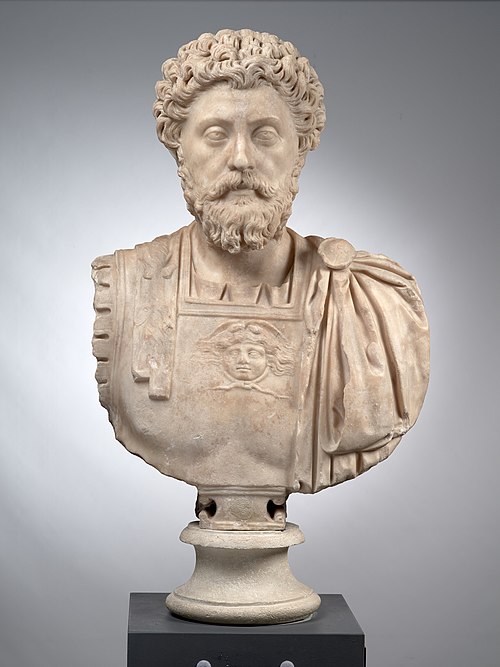
Marcus Aurelius

Meditations · c. 170 CE

Aurelius wrote the Meditations as a private notebook in moments stolen from a campaign on the Danube — addressed to himself, in Greek, never meant for publication. The book that came down to us is a working leader's commonplace: principles tested against the day, set down in the language he wanted to think in.
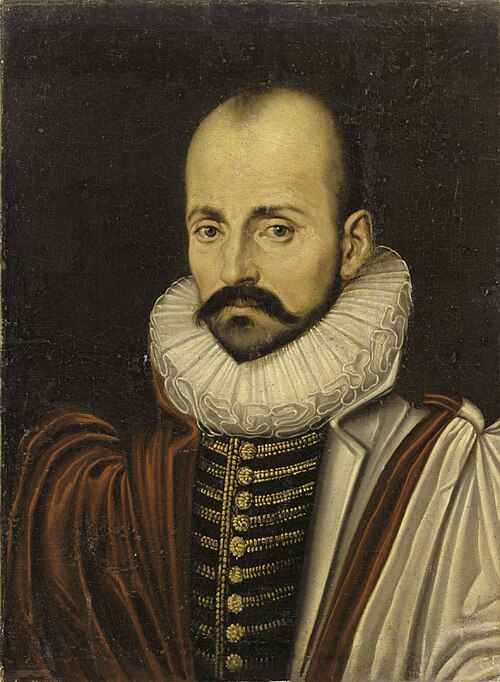
Michel de Montaigne

Essais · 1580

Montaigne retired to his château library at thirty-eight and read, marked, and copied for nearly ten years before publishing. The Essais grew directly out of those margins — a book of his own thinking grafted onto the quotations he'd collected, some of them painted on the beams above his desk. He invented the modern essay by reading first.

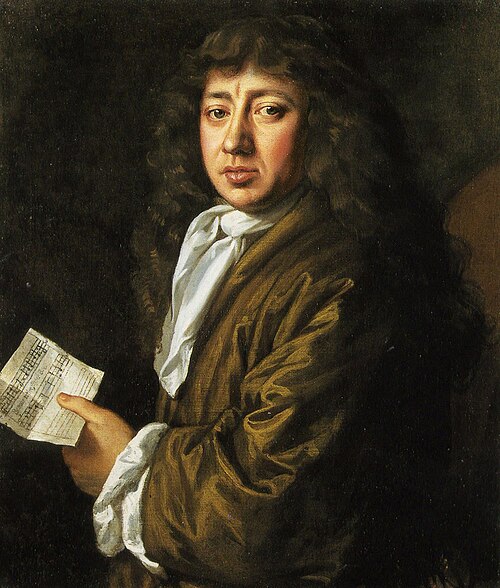
Samuel Pepys

London Diary · 1660

For nine and a half years, Pepys kept a daily diary in shorthand — six volumes covering the Restoration, the Plague, and the Great Fire. He wrote with no audience in mind, which is exactly why the book that survives reads less like history and more like a desk being cleared each evening — and why the seventeenth century is more vividly recorded than most centuries since.

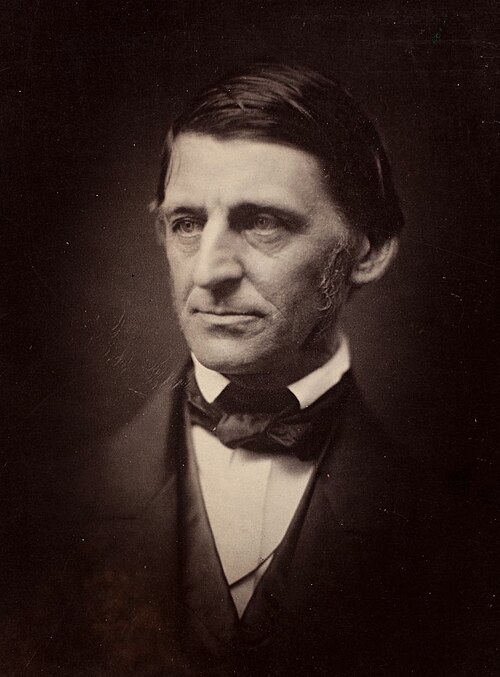
Ralph Waldo Emerson

Concord journals · 1820

Emerson started keeping journals at seventeen and never stopped — by his death, more than 230 of them. The lectures and essays he became known for were stitched together from those pages: a passage marked five years earlier would surface in the next sermon, the next talk, the next book. Self-Reliance traces back to lines he’d been working over since college.

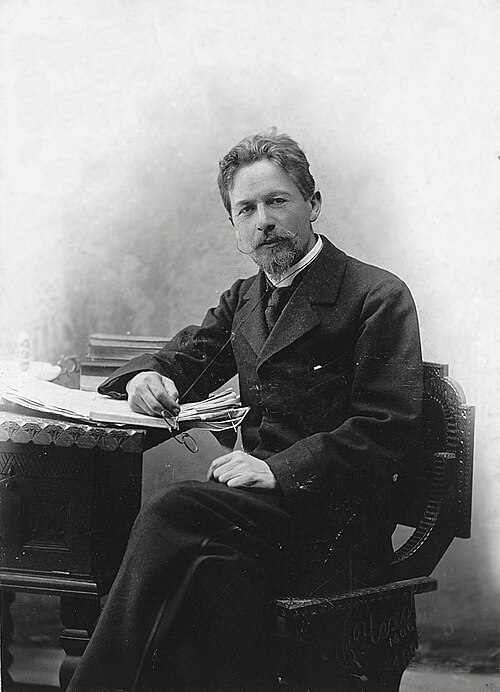
Anton Chekhov

Notebooks · 1890

Chekhov filled small notebooks with overheard lines, character sketches, and dispassionate observations — "A man who has seen too much and is ashamed of it." The fragments turn up later, often nearly verbatim, in the late stories and plays. The Cherry Orchard, The Seagull, and The Lady with the Dog all carry phrases first set down in those pages.

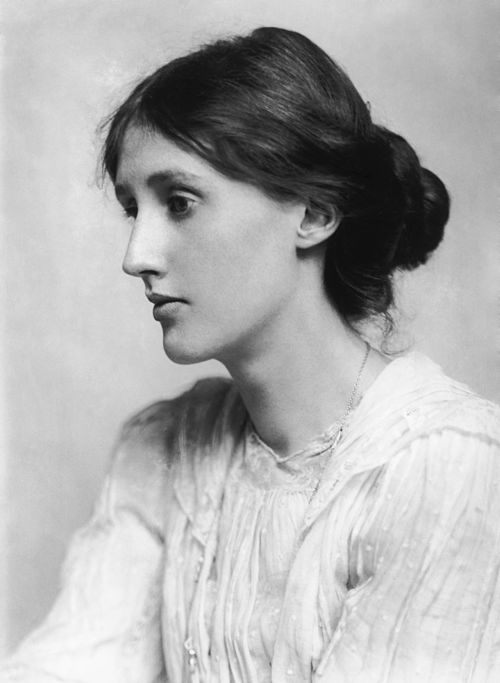
Virginia Woolf

Hogarth Press · 1915

Woolf kept a writing diary alongside her reading notebooks for almost thirty years — the diary for daily life, the notebooks for what she read and wanted to remember. A Room of One's Own and The Common Reader were both written out of the reading notebooks. She separated the two registers on purpose, and used both.

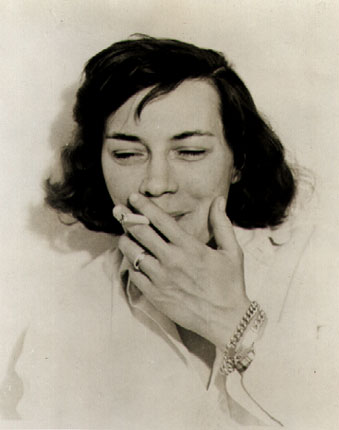
Patricia Highsmith

Cahiers · 1940

Highsmith filled thirty-eight cahiers — about 8,000 pages — between 1938 and her death in 1995. She used them to draft scenes, argue with herself about character, and try lines twenty different ways before committing them. Strangers on a Train, the Ripley novels, and the Carol manuscript all came out of those notebooks.

Joan Didion

On Keeping a Notebook · 1966

Didion's 1966 essay On Keeping a Notebook is the standard apologia for the practice — not, she argued, for keeping a record of what happened, but for keeping a record of how it felt to be the person who'd noticed it. The notebooks she kept on that principle fed Slouching Towards Bethlehem, The White Album, and forty more years of essays.

Frequently asked questions

Where are my notes stored?
Locally on your Mac, in plain markdown files you can open with any text editor. We sync them to your account so they're available across devices and backed up, but the source of truth lives on your machine. If Leo disappeared tomorrow, your notes wouldn't.
Does Leo train AI on what I write?
No. Your notes never train anyone's model — not Leo's, not your provider's. The AI features run against your library when you ask them to, and the content stays yours.
Can I connect my own large language model?
Yes. Leo has a built-in model that works out of the box, and you can connect your own — OpenAI, Anthropic, or any provider with an API key.
What happens to my notes if I cancel?
You keep them. Your notes are markdown files on your Mac — cancellation turns off sync and AI features, but the files stay where they are. You can open them in any text editor, import them into another app, or just read them.
Does Leo replace my writing app?
No — Leo is the notebook beside the writing app. It's where the reading notes, observations, and fragments accumulate; the manuscript itself belongs in Scrivener, Ulysses, iA Writer, or wherever you already work. Most writers who use Leo keep it open in a second window and pull from it as the draft needs it.
Is there an iOS app?
Not yet. Leo is Mac-only today. An iOS version is in development — when it ships, it'll sync with your Mac library so your notes follow you.

Ready to start?

Download Leo and start your writer's notebook today.